Choosing Modular Kitchen Cabinets can be a daunting task. With so many options available, it's easy to feel overwhelmed. These cabinets are not only functional but also influence the overall style of your kitchen.
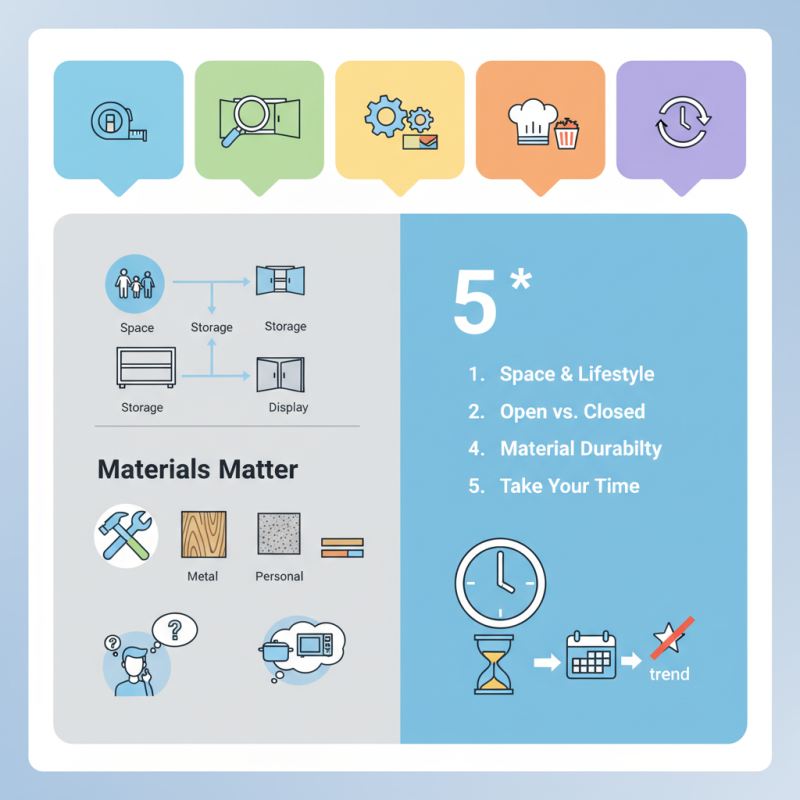
When selecting Modular Kitchen Cabinets, consider your space and lifestyle. Do you need more storage or display space? The choice between open and closed cabinets can significantly impact your kitchen's look. Additionally, the materials matter. Some are more durable than others, which can affect longevity.
It’s essential to reflect on your personal needs. Are you someone who enjoys cooking, or do you prefer convenience? Understanding what you truly want can lead to better choices. Remember, taking your time is crucial. Don't just go for the latest trends; they may not suit your unique taste.
Understanding the Basics of Modular Kitchen Cabinets
When considering modular kitchen cabinets, it's crucial to grasp their fundamental aspects. Modular cabinets offer flexibility and customization, making them an ideal choice for various kitchen sizes. According to industry reports, over 60% of homeowners prefer modular designs due to their adaptability. This allows for tailored solutions that fit individual needs and preferences.
Material choice is another key element. High-quality plywood is often favored for its durability. In contrast, particle board may be less expensive but often lacks longevity. Research shows that kitchens with well-constructed cabinets can boost home value by up to 15%. It's important to balance cost with quality in this choice.
However, some may overlook space planning. Cabinets that look good on paper may not be functional in reality. Many kitchens suffer from poor layout decisions—this often leads to inconvenience during cooking. Hence, addressing layout challenges early on can save future headaches. Reflect on your kitchen flow before deciding on cabinet styles or finishes.
Modular Kitchen Cabinet Types and Popularity
Identifying Your Kitchen Space and Layout Requirements
When selecting modular kitchen cabinets, understanding your kitchen space and layout is vital. Begin by measuring your kitchen accurately. Take note of the dimensions. This includes the length and width of walls, as well as ceiling height. A common mistake is underestimating the space between cabinets and appliances. Ensure there's ample room to work comfortably.
Consider the flow of your kitchen. Identify areas for cooking, cleaning, and food preparation. Visualize how you move between these stations. Sometimes, a design looks good on paper but feels cramped in reality. Pay attention to corner spaces, as they can be tricky. Modular cabinets can sometimes miss the mark in utilizing these areas effectively.
Ponder your storage needs. Do you need deep drawers or open shelving? Think about what you frequently use. If you’ve cluttered counters, this can lead to frustration. Aim for cabinets that provide practical solutions. You might find that what seems appealing initially doesn't align with your daily routines. Reflections on functionality could save headaches down the road.
Selecting Materials for Durability and Aesthetics
When selecting materials for modular kitchen cabinets, consider both durability and aesthetics. The right materials can enhance your kitchen's look while standing the test of time. Wood, for example, adds warmth but can be prone to warping. Laminates are a durable choice, yet they might not offer the same elegance as solid wood.
Think about your lifestyle. If you cook frequently, choose materials that are easy to clean and maintain. Metal cabinets may be sleek but can dent easily. Natural stone surfaces provide beauty but require care. Each material has its pros and cons, so weigh them carefully.
When choosing finishes, spot a color that complements your kitchen. Dark hues can make a space cozy, while light shades create an open feel. Don't shy away from experimenting with textures. A matte finish may hide fingerprints, while gloss can reflect light beautifully. Reflect on how each material will work in your space, considering everyday wear and tear.
Choosing the Right Style to Match Your Home Decor
When selecting modular kitchen cabinets, style matters greatly. The right choice enhances your home decor. Cabinets can make or break a room's design. Choose materials and colors that reflect your home's overall theme. For instance, if your decor leans toward minimalism, sleek, white cabinets might fit perfectly. But if you love warmth, consider wood finishes that add a cozy touch.
Think about the size of your kitchen. How will the cabinets affect the space? Choosing larger cabinets can provide more storage but may overwhelm a small kitchen. Pay attention to visual balance. If your kitchen is heavily decorated, opt for simpler cabinet designs. A cluttered look can feel chaotic.
Tip one: Consider the texture of your cabinets. Smooth finishes create a contemporary look, while textured woods add depth. Tip two: Assess how cabinet colors match with countertops. Contrasting hues can create visual interest, but harmony is key. Use light colors to brighten small spaces. Remember, it’s essential to create a cohesive look, even if it takes time to figure out what works best for you.
Budgeting for Modular Kitchen Cabinets and Installation Costs
When budgeting for modular kitchen cabinets, start with a clear estimate of your total costs. Consider factors like materials, style, and finish. Basic choices are often less expensive. High-end finishes can increase your budget significantly. Think about installation costs too.
DIY might save money, but hiring professionals ensures a polished look.
Unexpected expenses can arise during installation. Pipe relocations or electrical work may be necessary. Add contingency funds to your budget. It's wise to overestimate a little. You might encounter challenges that weren't anticipated.
Shopping sales or selecting simpler designs can also stretch your budget further. Plan carefully, and don't rush the process.
Reflecting on your choices is essential. Are you prioritizing aesthetics over functionality? Sometimes, the most stylish cabinets may not meet your practical needs. Modular cabinets should offer both beauty and usability. Striking the right balance can be tough, but it's crucial for long-term satisfaction.
FAQS
: Measure the length and width of walls. Include ceiling height. Don’t underestimate space between cabinets and appliances.
Consider the flow for cooking, cleaning, and food prep. Visualize movement between stations for comfort and efficiency.
Determine if you need deep drawers or open shelving. Think about frequently used items to avoid clutter.
Choose materials that withstand daily use. Wood adds warmth but can warp. Laminates offer durability without the elegance.
Color complements your kitchen's theme. Dark hues create coziness, while light shades help open up the space.
Smooth finishes provide a modern look. Textured woods add depth and character, enhancing your kitchen's design.
Larger cabinets offer more storage but may overwhelm small kitchens. Visual balance is vital for a harmonious look.
Ensure cabinet colors and materials harmonize with your decor. Take time to find what works best for your space.
Corner spaces can be tricky. Ensure modular cabinets effectively utilize these areas, as they may be underappreciated.
Reflect on daily routines. What seems appealing might not match your lifestyle. Adjustments can prevent future frustration.
Conclusion
When selecting Modular Kitchen Cabinets, it's essential to understand their fundamentals and how they can transform your kitchen space. Begin by assessing your kitchen layout and space requirements to ensure the cabinets fit seamlessly within your environment. The choice of materials is crucial, as they should balance durability with visual appeal, contributing to the overall aesthetics of your kitchen.
Furthermore, aligning the cabinet style with your home decor will create a cohesive look throughout your living space. Lastly, be mindful of your budget, factoring in both the costs of the Modular Kitchen Cabinets and their installation. By following these guidelines, you can create a functional and stylish kitchen that meets your needs while remaining within your financial plan.
 Forton Furniture