Forton Furniture
When it comes to outdoor furniture, durability is often the top priority. Homeowners often face the challenge of choosing materials that will withstand the elements. The critical question arises: What are the best materials for outdoor furniture longevity? Many options exist, but not all are created equal.
For instance, teak wood is renowned for its ability to resist rot and its beautiful grain. Aluminum furniture, also popular, is lightweight and free from rust. However, even the best materials can falter over time without proper care.
While some people opt for budget-friendly alternatives, they may regret their choice as the furniture deteriorates faster. It's essential to consider not just the initial cost but also the long-term investment. Choosing materials that offer long-lasting performance is crucial for any outdoor space. This guide will help you navigate through your options, ensuring that your furniture remains beautiful and functional for years to come.
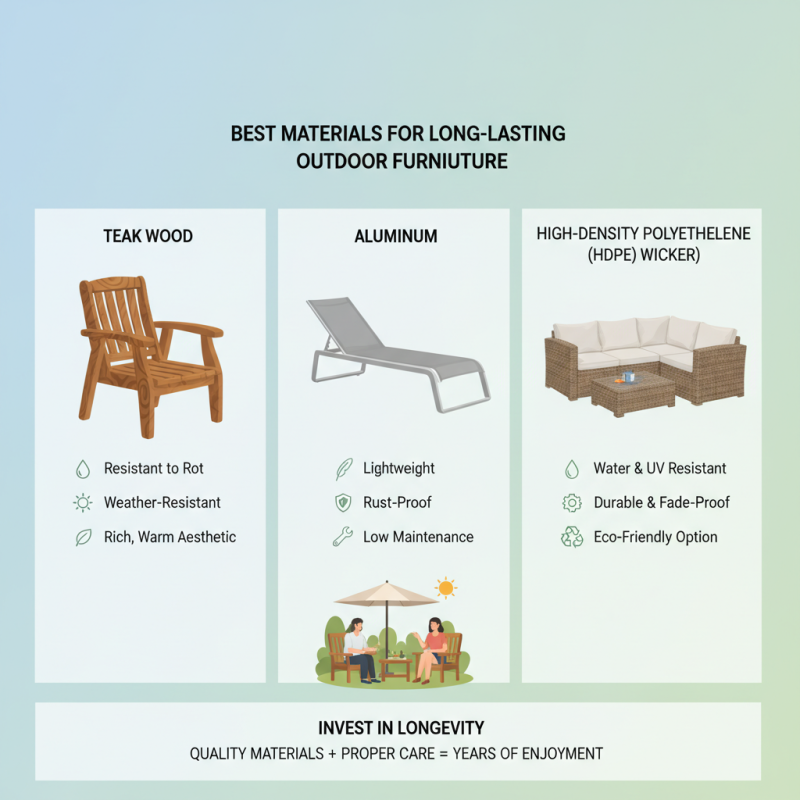
When choosing materials for outdoor furniture, durability is key. Wood, metal, and synthetic materials each have unique qualities. Teak and cedar woods resist moisture and pests. However, they require regular maintenance to keep their natural look. Some people find the upkeep bothersome, which can lead to neglect over time.
Metal furniture, often made from aluminum or wrought iron, offers strength and stability. Aluminum is lightweight and resistant to rust. However, it can become hot in direct sunlight, making it uncomfortable to use. Wrought iron may provide a classic look, but it can be heavy and prone to corrosion without proper care.
Synthetic materials like resin wicker or plastic composites mimic the appearance of traditional furniture. They are often easier to clean and maintain. Yet, some may not provide the same aesthetic appeal as natural materials. Finding the right balance between style and functionality is essential. Careful consideration of your environment will lead to more satisfying choices.
When selecting materials for outdoor furniture, durability is key. Factors like weather resistance significantly affect the longevity of your furniture. Materials such as teak, cedar, and aluminum are popular choices. They withstand various weather conditions, including rain, sun, and snow. Teak, for instance, has natural oils that repel moisture, preventing warping and cracking.
Tips: Consider using furniture covers during harsh weather. This small step can enhance durability. Make sure to clean your furniture regularly. Dirt and debris can accelerate wear and tear.
Another factor to think about is maintenance. Some materials require more effort to keep in good shape. For example, wood needs periodic sealing to maintain its beauty. On the other hand, metal options might rust over time if not treated properly. Look for galvanized or powder-coated finishes for better protection.
Tips: Research care recommendations for your chosen material. Implementing these practices ensures your furniture lasts longer. Don’t overlook the impact of UV rays. Fading can significantly reduce the overall aesthetic of your furniture, so choose materials that include UV protection.
When choosing outdoor furniture, the material plays a crucial role in durability and aesthetics.
Teak is a popular choice. It is naturally resistant to moisture, insects, and decay. According to a 2020 survey by the American Society of Landscape Architects, 72% of professionals recommend teak for outdoor settings. However, teak can be expensive and requires regular maintenance to retain its golden hue.
Aluminum is another great option. Lightweight and rust-resistant, aluminum furniture can withstand various weather conditions. A study by the Outdoor Furniture Manufacturers Association reported that aluminum furniture has a lifespan of over ten years with minimal care. However, it can get hot in direct sunlight, making it uncomfortable on warm days.
Tips: Always test the furniture under sunlight. Stick with materials that are easy to clean. Consider your local climate when choosing materials, as this can affect the longevity of your investment. Some materials, like plastic, may fade over time despite their initial low cost. Ultimately, weigh the pros and cons carefully before making a purchase.
When selecting materials for outdoor furniture, maintenance is crucial. Different materials require varying amounts of care. For instance, wood is beautiful and warm but needs regular treatment. Teak and cedar can resist the elements better than others. However, they still need oiling and occasional sanding to avoid splintering.
Metal furniture can be sturdy but can rust if not cared for properly. Powder-coated aluminum or stainless steel offers durability with less upkeep. They only require occasional cleaning with soapy water. On the other hand, wicker or rattan pieces, though stylish, may need more frequent attention. These materials attract dirt and can fade if left in direct sunlight. Regular cleaning and protective covers can extend their life.
Consider plastic furniture, which is low-maintenance. It doesn’t rust or rot. However, it can get hot in the sun and may fade over time. An honest approach to care will help maintain the beauty and functionality of any outdoor furniture. Understanding the maintenance requirements can help in making informed choices.
When selecting materials for outdoor furniture, cost plays a crucial role. Natural wood, for example, offers beauty but may require more maintenance. Treated woods resist decay better, yet they can carry a higher price tag. Metal options like aluminum are lightweight and rust-resistant, often proving more durable with less upkeep. However, the initial investment can be significant.
Tips: Consider your climate. If you live in a rainy area, prioritize materials that withstand moisture.
Another option is synthetic materials, often more affordable and resistant to fading. They mimic natural textures without the same upkeep. While cheaper, they might not last as long as solid wood or high-quality metals. Reflect on how often you plan to use the furniture. Frequent use demands sturdier materials.
Tips: Always read reviews before purchasing. Real experiences can guide you toward the best choices for your situation.
| Material | Durability | Maintenance | Cost Range (per unit) | Weather Resistance |
|---|---|---|---|---|
| Teak Wood | High | Low | $100 - $500 | Excellent |
| Aluminum | Medium | Very Low | $80 - $300 | Good |
| Wicker (Synthetic) | High | Low | $150 - $700 | Excellent |
| Steel | Medium | Moderate | $100 - $400 | Fair |
| Plastic | Low | Very Low | $20 - $150 | Good |
: Teak is a well-known choice for its moisture and insect resistance.
Yes, teak can be expensive and requires regular maintenance.
Aluminum furniture can last over ten years with minimal care.
Aluminum can heat up under sunlight, making it uncomfortable in hot weather.
Wooden furniture needs regular oiling and occasional sanding to avoid splintering.
Metal furniture requires minimal upkeep, while wicker may need more frequent cleaning.
Yes, plastic does not rust or rot but can fade and get hot in the sun.
Yes, some materials like wicker and plastic can fade if exposed to direct sunlight.
Regular cleaning and using protective covers can help maintain outdoor furniture.
Consider local climate, maintenance needs, and ease of cleaning when selecting materials.
When considering outdoor furniture longevity, it's crucial to understand the best materials available. What are the best materials for outdoor furniture longevity? The choice of materials significantly affects durability and resistance to weather elements. Common options include hardwoods like teak, which offer excellent durability, and metals such as aluminum, known for their lightweight nature and resistance to rust. Each material comes with its own set of pros and cons, influencing maintenance requirements and overall cost.
Material selection should also factor in the climate conditions of your region. For instance, plastic composites are resistant to fading and moisture, while natural wood requires periodic treatment to maintain its appearance and durability. Ultimately, making an informed decision about the materials will ensure that your outdoor furniture not only lasts but also remains aesthetically pleasing over time.
