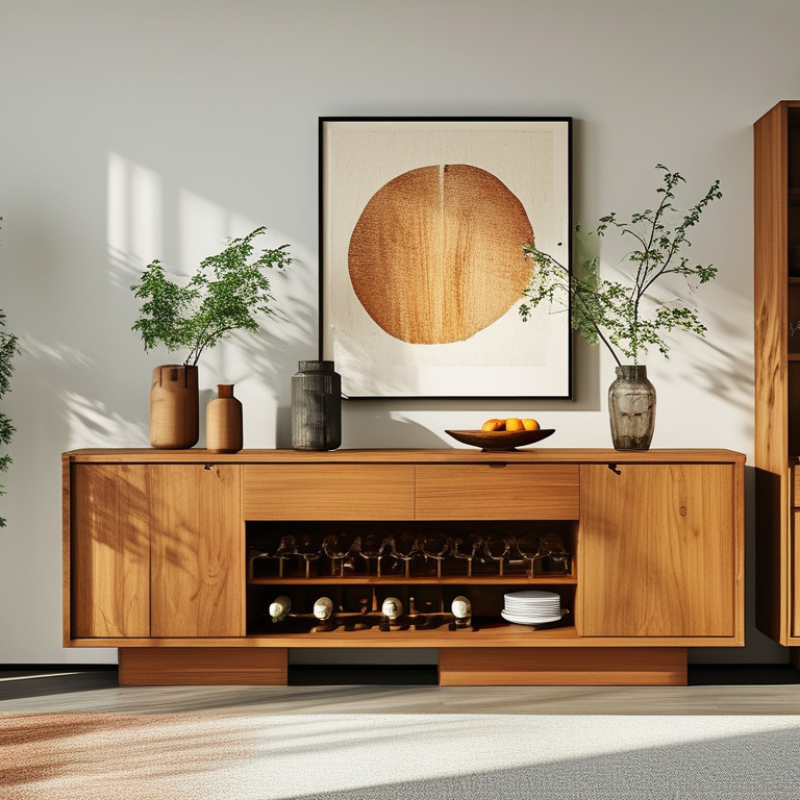
Understanding furniture styles can be challenging. One common question arises: "What is the difference between a sideboard and a buffet?" Interior design expert Emily Henderson often says, “Both serve unique purposes, yet their distinctions can enhance your space in different ways.”
The terminology can confuse many. A sideboard typically features more storage options and a lower profile. It often serves as a decorative piece, holding items like tableware or wine. Buffets, on the other hand, are generally taller and more styled for serving meals. They often complement dining areas.
It's essential to reflect on your functionality needs. Consider the layout of your room and the items you plan to house. While both pieces can enhance your decor, their differences may impact your choice significantly. Understanding these subtle variations can lead to a more cohesive design in your home.
Definition of a Sideboard and Its Characteristics
A sideboard is a versatile piece of furniture often found in dining rooms. It typically features both open space and closed storage options. The design usually includes cabinets and drawers, making it perfect for storing dishes, glassware, and utensils. A recent industry report noted that over 70% of homeowners prefer sideboards for their multifunctionality. They serve as stylish displays and practical storage units.
In terms of characteristics, a sideboard usually stands low and wide. They can range from traditional wood to modern materials. The height generally averages around 30 to 36 inches, providing an optimal surface for serving food. This versatility allows sideboards to complement various design aesthetics, appealing to homeowners who value personalized style. Each piece can reflect individual tastes and practical needs.
Yet, despite their appeal, sideboards can have limitations. Some models may lack sufficient drawer space for larger items. Many people overlook this before purchase. It's essential to evaluate storage needs realistically. Highlighting these aspects helps customers make informed decisions, especially when investing in quality furniture that lasts.
Definition of a Buffet and Its Characteristics
When considering the characteristics of a buffet, it’s essential to understand its primary roles in dining and designing spaces. A buffet is typically a long, low piece of furniture, ideal for serving food. Its design allows for easy access to dishes and condiments during meals. Buffets often feature cabinets or drawers underneath for hiding utensils, linens, or serving ware. This makes them both functional and stylish in a dining room or kitchen setting.
Buffets usually stand at waist height, which encourages a casual dining atmosphere. They are perfect for hosting gatherings. You can arrange plates and food on the top surface, allowing guests to serve themselves. This promotes interaction and comfort. However, some might find maintaining organization a challenge during busy occasions. Overloading the surface can lead to clutter, making it less inviting. Effectively balancing aesthetics with functionality is key when selecting a buffet for your home.
What is the Difference Between a Sideboard and a Buffet?
| Feature |
Sideboard |
Buffet |
| Primary Use |
Storage for dishes and dining essentials |
Serving food during meals |
| Design Style |
Typically more decorative and intricate |
Sleek and functional |
| Height |
Usually lower, around waist-height |
Typically taller than sideboards |
| Storage Types |
Shelves, drawers, and cabinets |
Open shelving and surface area for serving |
| Common Materials |
Wood, metal, and glass |
Wood and laminate |
Key Functional Differences between Sideboards and Buffets
When considering dining room furniture, sideboards and buffets often come up. While they might look similar, their functions vary significantly. Sideboards are primarily used for storage and display. They usually feature drawers and cabinets, making them practical for keeping dining essentials organized. You can place decorative items on top, adding a personal touch to your space.
On the other hand, buffets focus more on serving food. They are designed to hold dishes and beverages during meals. Buffets often have a spacious surface, which makes them perfect for arranging a spread. Their layout encourages social interaction, allowing guests to serve themselves easily.
It's interesting to note that the lines between these two pieces can blur. Some sideboards may serve as makeshift buffets during gatherings. Both have their merits, and your choice might depend on your lifestyle. Are you hosting often, or do you need more storage? Reflecting on your needs can guide you in making the best choice.
Design Variations and Style Trends in Sideboards and Buffets
The distinction between a sideboard and a buffet often lies in their design and functionality. Sideboards are versatile pieces used for storage and serving, commonly featuring cabinets and shelves. Buffets, on the other hand, are primarily intended for food service, often designed with a longer table-like form. Both can enhance the dining experience, but the choice depends on your specific needs and aesthetic.
When considering style trends, modern sideboards often embrace minimalistic designs, focusing on clean lines and neutral colors. In contrast, buffets might feature ornate details, reflecting classic craftsmanship. Many contemporary spaces now blend these styles, incorporating rustic finishes and bold colors for a unique touch. This approach can make both pieces serve dual purposes in storage and style.
Individual preferences can vary. Some prefer sleek sideboards for their compact footprint, while others admire the grandeur of buffets for large gatherings. It’s valuable to evaluate your space and needs before making a choice. A sideboard could fit well in smaller areas, while a buffet can become a statement piece in spacious dining rooms. Reflections on personal style and functionality are crucial steps in this decision-making process.
Comparison of Sideboard and Buffet Features
Common Uses and Placement of Sideboards vs. Buffets in Home Decor
When decorating a home, understanding the roles of sideboards and buffets can enhance your space.
Sideboards are often versatile in design. They can be used in living rooms or dining areas. Their function often goes beyond storage.
Many people use sideboards as display areas for art or personal items. This makes them focal points in your decor.
Buffets, on the other hand, serve a more specific purpose during meals. They are typically wider and longer than sideboards.
This makes them perfect for laying out food and drinks during gatherings. Placement is key here; you might find a buffet
against a wall in a dining room. This maximizes space for dining.
While both pieces offer storage, arranging them thoughtfully is important. Misplacement can lead to a cluttered feel.
Ensure each piece complements your overall theme. Choose styles that resonate with your existing furniture.
As you experiment with their placement, reflect on how they enhance functionality and aesthetics in your space.
FAQS
: A sideboard is a versatile furniture piece used mainly in dining rooms.
Sideboards typically have both open space and closed storage with cabinets and drawers.
Over 70% of homeowners prefer sideboards for their multifunctionality and stylish displays.
Sideboards usually range in height from 30 to 36 inches, ideal for serving food.
Yes, sideboards can vary from traditional wood to modern materials and designs.
Some sideboards may lack enough drawer space for larger items, so consider your storage needs.
Sideboards are used for storage and serving, while buffets are primarily for food service.
Modern sideboards often feature minimalistic designs with clean lines and neutral colors.
Some might prefer the compact design of sideboards, while others may like the classic look of buffets.
Evaluate your space, needs, and personal style to make an informed decision.
Conclusion
In exploring the question, "What is the difference between a sideboard and a buffet," it's essential to understand their definitions and characteristics. A sideboard typically refers to a piece of furniture that combines storage and display areas, often with cabinets and shelves, designed for both functionality and aesthetics. Conversely, a buffet is primarily focused on dining purposes, featuring a long, flat surface ideal for serving food during meals and usually accompanied by storage for dining utensils.
Key functional differences reveal that sideboards are versatile for various home decor styles, serving as display units or storage solutions in living rooms or dining areas, while buffets are more specialized, primarily utilized in dining spaces for hosting. Design variations reflect current style trends, with both pieces available in numerous materials and designs to complement diverse interiors. Understanding these distinctions can aid in making informed choices for home decor, ensuring each piece serves its intended purpose effectively.
 Forton Furniture