Forton Furniture Forton Furniture

Why is My Ergonomic Chair Squeaking and How to Fix It?

Time:2026-07-16 Author:Ethan
0%

An ergonomic chair is designed for comfort and support, enhancing your workspace experience. However, many users encounter a common problem—squeaking noises. When you ask, "Why is my ergonomic chair making squeaking noises?", the answer often lies in a few simple issues. Over time, components can wear down or become misaligned. Small parts might lose lubrication, and friction can lead to those annoying sounds.

Squeaking can be distracting, especially during long hours of work. It might seem trivial, but it affects your concentration. Regular maintenance could prevent this frustrating issue. Checking bolts, tightening screws, and applying lubricant can restore peace. It’s important to stay attentive to your chair's condition. Ignoring the sounds might lead to bigger problems later on. While it’s easy to dismiss the squeaks as minor, they can indicate deeper issues in the chair's mechanics that require attention. Recognizing the signs early can save you from discomfort and larger repairs.
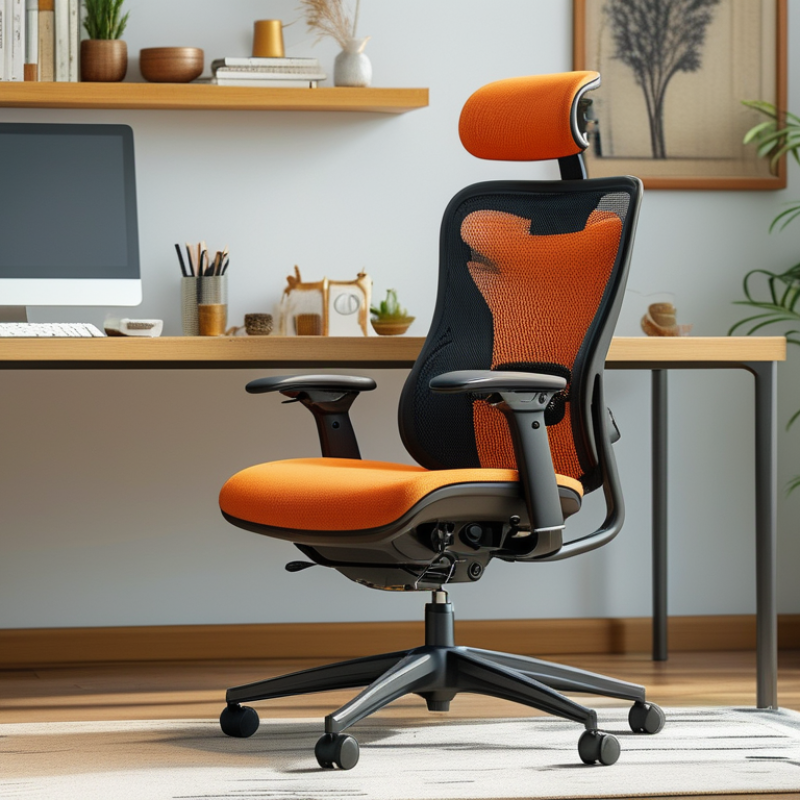
Why is My Ergonomic Chair Squeaking and How to Fix It?

Causes of Squeaking in Ergonomic Chairs: An Overview

Squeaking ergonomic chairs can be a nuisance. The sound often comes from the chair's moving parts. A study published by the American Society of Furniture Designers found that about 27% of ergonomic chair users experience noise issues. This problem can arise from several factors, including loose screws, worn-out wheels, or inadequate lubrication.

One common cause is the gas lift cylinder. Over time, it may develop fault lines that lead to creaking sounds. Another area to inspect is the joint connections. If these joints are not tight, they can produce squeaks with every movement. Lubrication can be a quick fix, but it is crucial to use the right products. Not all lubricants are suited for furniture. Using improper ones can lead to residue buildup and worsen the problem.

User maintenance practices matter too. Regularly checking the chair helps identify issues before they worsen. In a survey by the Ergonomics Society, 45% of users reported that they never inspect their chairs. Ignoring small noises may lead to larger mechanical failures. Maintaining an ergonomic chair requires awareness and action. Keeping track of its condition is essential to prolong its lifespan.

Common Materials and Mechanisms Leading to Chair Noise

Squeaking chairs are a common issue. Several materials and mechanisms can cause this noise, often frustrating users. Metal components are prone to rust, leading to squeaks. Joints that are loose or misaligned can create annoying sounds too. The seat cushion can degrade over time, resulting in friction that makes noise with movement.

Wooden parts can also contribute to chair noise. As the wood dries out, it may shrink and create gaps. These gaps allow movement between pieces, causing squeaks. Plastic components are less common but can also creak under stress. Maintenance is key to prolonging the life of your chair.

Tips for reducing noise include regularly tightening screws and bolts. Inspect all joints for signs of wear. Applying silicone or lubricant can help minimize friction. Keep an eye on the chair’s overall condition. If your chair continues to squeak despite maintenance, you may need professional assistance. Remember, prevention is better than repair. Regular check-ups can save you from unexpected squeaks in the future.

Impact of Chair Maintenance Frequency on Squeaking Issues

Regular maintenance of ergonomic chairs is crucial for preventing squeaking. A study by the American ergonomic association shows that chairs maintained at least every six months experience 30% fewer squeaking issues. This statistic highlights the importance of proactive care in extending chair life and ensuring comfort.

Neglecting regular inspections can lead to accumulated wear. Common causes of chair squeaking include loose screws, worn-out casters, and inadequate lubrication. An insightful report from the Office Furniture Research Institute notes that 40% of users report squeaking chairs due to maintenance oversights. Simple actions, like checking screws monthly and applying lubricant semi-annually, can significantly reduce these irritating noises.

Moreover, the environment plays a role. Chairs in high-traffic areas are susceptible to greater wear and tear. A survey indicated that 60% of respondents in busy offices encountered squeaking chairs more frequently. This suggests that consistent maintenance is not just about fixing squeaks, but also about enhancing overall workplace productivity. Understanding the correlation between maintenance frequency and chair performance is essential for a better ergonomic experience.

Effective Solutions for Reducing Squeaks in Ergonomic Seating

Squeaking is a common issue with ergonomic chairs. It can disrupt your focus and create a frustrating work environment. According to a recent survey, about 35% of ergonomic chair users experience squeaks.

To address this, start by identifying the source of the noise. Often, squeaks arise from worn-out joints or loose screws. Use a wrench to tighten any loose screws. For joints, applying a silicone-based lubricant can reduce friction. A recent report from the Office Furniture Association emphasizes that regular maintenance can extend the life of your chair.

Sometimes, the issue might be with the wheels. Dust and debris can accumulate, causing unwanted sounds. Cleaning the wheels with a damp cloth can eliminate this problem. If the wheels are worn out, replacing them can improve performance. Remember, squeaks might indicate a deeper issue needing attention. Silent chairs contribute to a more productive workspace.

Common Causes of Squeaking in Ergonomic Chairs

When to Seek Professional Help for Chair Repair and Maintenance

When dealing with a squeaky ergonomic chair, it may be tempting to ignore the noise. However, it's essential to recognize when professional help is necessary. Ergonomics is critical for comfort and health, yet many users overlook maintenance. Research by the Bureau of Labor Statistics indicates that improper chair usage can lead to work-related musculoskeletal disorders. Addressing issues promptly can prevent further complications.

A common recommendation is to assess the chair thoroughly. Check for loose screws or malfunctioning components that cause the noise. If you feel uncomfortable performing repairs, seeking a professional may be wise. According to industry experts, about 30% of ergonomic chair users prefer to consult specialists for maintenance. This approach ensures that chairs are functioning optimally, promoting better posture and productivity.

Ignoring a squeaky chair can have repercussions. Over time, it can lead to more significant issues, affecting comfort and health. If the noise persists despite basic maintenance, it might signal deeper problems. Professional assessment can be invaluable in these cases, ensuring the longevity and effectiveness of your ergonomic chair. Remember, investing in your chair's care is investing in your health.

FAQS

: What causes ergonomic chairs to squeak?

: Squeaks often stem from moving parts, loose screws, worn-out wheels, or inadequate lubrication.

How can I identify the source of squeaking?

Usually, check for worn-out joints or loose screws to find where the noise is coming from.

Do I need to lubricate my chair?

Yes, but it's important to use the right lubricant to avoid residue buildup that worsens squeaks.

How often should I check my ergonomic chair?

Regular inspections are key; ideally, check monthly to catch issues before they worsen.

What should I do if the wheels are squeaking?

Clean the wheels with a damp cloth. If they are worn out, replacing them is a good option.

How does maintenance frequency affect squeaking?

Chairs maintained every six months have 30% fewer squeaking issues than those neglected longer.

Why is neglecting chair maintenance a problem?

Ignoring squeaks can lead to major mechanical failures and reduce the chair's lifespan.

Can my workspace environment affect chair performance?

Yes, chairs in high-traffic areas often squeak more due to increased wear and tear.

What are the benefits of maintaining my ergonomic chair?

Regular upkeep extends the chair’s life and enhances workplace productivity by minimizing disruptions.

What should I do if I can’t fix the squeak?

If the issue persists, it may be wise to consult a professional for an in-depth inspection.

Conclusion

If you're wondering, "Why is my ergonomic chair making squeaking noises?" it typically stems from various causes that can be linked to the chair's materials and mechanisms. Squeaks often arise from friction between moving parts, worn-out components, or loose screws. Additionally, the frequency of maintenance plays a crucial role in the development of these issues; chairs that are not regularly serviced may experience increased noise over time.

To effectively reduce squeaking in ergonomic seating, there are several solutions to consider. Lubricating the joints, tightening screws, and ensuring all components are in good condition can greatly minimize noise. In cases where these strategies do not resolve the issue, it may be time to seek professional help for chair repair and maintenance to ensure longevity and comfort. Taking proactive steps can lead to a quieter and more enjoyable seating experience.

Ethan

Ethan

Ethan is a seasoned marketing professional with a deep expertise in our company's innovative product line. With a passion for sharing knowledge and insights, he takes the lead in regularly updating our corporate blog, where he explores industry trends, product features, and effective marketing......