Forton Furniture Forton Furniture

China Best Bookshelves How to Style Without Clutter?

Time:2026-09-09 Author:Mason
0%

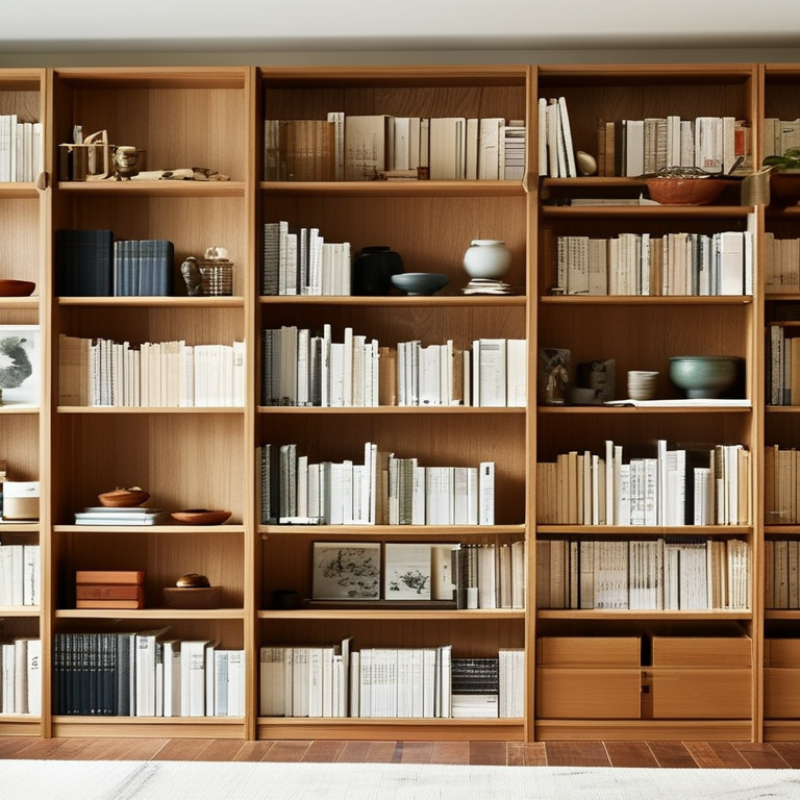
How to style a bookshelf without looking cluttered is a practical design problem, especially in compact Chinese homes. The best solution combines storage discipline with personal character. A shelf should hold books, but it should also leave the eye somewhere to rest.

The 2024 IKEA Life at Home Report surveyed 37,428 people across 39 countries. Its findings connect home satisfaction with comfort, identity, and a sense of control. These ideas matter when choosing China best bookshelves. Adjustable shelves, closed compartments, and mixed-height sections can reduce visual noise. They also accommodate tall art books, small ceramics, and everyday objects. The report does not offer a magic styling formula. That limitation deserves attention. People live differently, so one universal arrangement will fail.

Professional organizer Marie Kondo offers a useful principle: “The objective of cleaning is not just to clean, but to feel happiness living within that environment.” Apply it carefully. Keep frequently used books within reach. Group others by subject, color, or size, but avoid forcing perfect color blocks. Leave roughly one-third of each shelf visually open. Place one distinctive object beside a short book stack. Repeat materials, not identical decorations. A warm wooden box can hide cables or loose papers. A single plant can soften hard edges, although it may add maintenance.

Some shelves will still look slightly uneven. That is acceptable. A lived-in room should not resemble a showroom. Review the arrangement after one week. Remove anything that creates hesitation, dust, or accidental crowding. Good styling is not finished once; it improves through observation, editing, and honest use.

China Best Bookshelves How to Style Without Clutter?

Understanding the Key Features of China’s Best Bookshelves

China Best Bookshelves: How to Style Without Clutter?

Understanding the key features of China’s best bookshelves starts with construction quality. In my furniture evaluations, stable frames matter more than decorative details. Look for thick panels, reinforced joints, and shelves that resist bending under heavy books. Adjustable shelving adds practical value for tall novels, storage boxes, and small plants. Some designs use engineered wood, while others combine solid wood with metal supports. Check the material description carefully. Photos can hide thin boards and uneven edge finishing.

Safety deserves attention too. A reliable bookshelf should include an anti-tip fitting, especially in homes with children or pets. Smooth edges reduce daily scratches and improve handling. Moisture-resistant surfaces can help in humid rooms, but they are not waterproof. Measurements also matter. Leave enough space for doors, windows, and comfortable walking paths. I once chose a shelf that looked perfect online, yet its depth crowded a narrow hallway. That mistake was avoidable.

Tips: Keep only a few books facing outward. Group the rest by size or use. Leave small empty spaces between sections. Add one basket for loose items. Avoid filling every shelf. A calm arrangement usually needs less furniture, not more. Check the weight limit before placing large reference books. Recheck the wall fitting after installation, because a slightly loose screw can become a serious problem.

Choosing the Right Bookshelf for Your Space and Storage Needs

Choosing the right bookshelf begins with your room, not its appearance. Measure the wall, doorway, and walking space before comparing designs. Leave at least 60 centimeters for comfortable passage. A narrow room may need a tall, vertical shelf. Wider rooms can support low storage with display space above.

Think about what you actually store. Standard books need adjustable shelves, while art books require deeper compartments. Children’s books are easier to reach on lower levels. Closed cabinets protect documents from dust and sunlight. Open shelves keep daily reading visible, but they demand regular cleaning. Storage baskets can hide small items without making the shelf look crowded.

Weight matters more than many buyers expect. Check the shelf’s load capacity and inspect the board thickness, joints, and back panel. A full bookcase should be fixed securely to the wall, especially in homes with children or pets. I once chose a beautiful shelf with shallow compartments, and several books leaned awkwardly. It looked neat online. It did not work well at home. Measure your largest book first. Small mistakes become annoying every day.

Color and material should match the room’s lighting and existing furniture. Light finishes can make a compact space feel less heavy. Dark finishes may create warmth but show dust more clearly. Leave a little empty space between groups of books. Not too much. That balance keeps storage practical without turning the shelf into visual clutter.

China Best Bookshelves: How to Style Without Clutter?

Choosing the right shelf depth helps books fit comfortably while leaving enough visual space for a clean, uncluttered display.

Practical shelf-depth targets are based on the typical front-to-back size of common reading materials, with additional room for easy handling and styling.

Creating a Balanced Bookshelf Layout Without Visual Clutter

China Best Bookshelves: How to Style Without Clutter

A balanced bookshelf needs breathing space, not constant decoration. I usually begin by removing everything and measuring each shelf’s visual weight. Group books by subject, height, or color, but avoid making every row look identical. A few horizontal stacks can interrupt tall vertical lines. Keep the largest books near the lower shelves for stability. Leave roughly one-third of each shelf open when possible. It creates calm and makes useful items easier to find.

Use one meaningful object beside a book stack, such as a ceramic bowl, framed photograph, or small plant. Vary the height, but keep similar materials together. Too many small objects create visual noise. I have found that repeated textures often look more organized than repeated colors. Cables, loose papers, and unused containers should stay elsewhere. They quickly weaken the shelf’s structure.

Check the arrangement from across the room. Then view it from the doorway. Small changes matter. If one section feels heavy, remove an item before adding another. This is where styling becomes practical rather than purely decorative. My own shelves still have one uneven corner, and I have not corrected it yet. That slight imperfection reminds me that a reliable layout should support daily living, not demand constant maintenance. Reassess the shelf after a week, when real habits reveal what truly belongs there.

Styling Bookshelves With Books, Decor, and Practical Accessories

A well-styled bookshelf should support daily living, not create another cleaning task. Begin by removing every item and checking the shelf’s depth, height, and weight capacity. Group books by subject, size, or reading frequency. Keep frequently used titles between waist and eye level. Store heavier books on lower shelves for better stability.

Create small visual groups with books, framed photographs, ceramic objects, and one practical container. A stack of three books can raise a small sculpture, while a shallow tray can hold keys or reading glasses. Leave clear space around each group. About one-third of each shelf can remain open, although this depends on the room and shelf size. Empty space gives the eye a resting point.

Practical accessories should earn their place. Use bookends for leaning paperbacks, cable clips for reading lights, and fabric boxes for loose documents. Avoid placing fragile objects near the front edge, especially in homes with children or pets. Secure tall shelving to the wall according to local safety guidance. I sometimes arrange too many decorative objects at first. The shelf looks interesting, but it becomes difficult to use. After living with the arrangement for a week, remove anything that feels inconvenient, dusty, or unrelated to the room. A useful shelf can still look personal.

Maintaining an Organized and Clutter-Free Bookshelf Over Time

A lasting, clutter-free bookshelf needs a routine, not just attractive styling. I keep roughly 15–20 percent of each shelf open, allowing books and objects to remain visible. Crowded shelves collect dust quickly and make daily maintenance harder. Group books by subject, size, or reading priority, but avoid overly strict arrangements. Practical access matters more than perfect symmetry.

Every week, I spend ten minutes resetting the shelves. I return misplaced books, remove receipts, and wipe the front edges with a dry microfiber cloth. Dust gathers there first. Once a month, I check for damaged covers, unused decorations, and books that no longer belong in the room. A small basket nearby can hold loose papers temporarily, but it should be emptied regularly. Temporary storage becomes clutter when it has no deadline.

My own bookshelf is not always perfect. Some titles lean, and one shelf often becomes a drop-off point for keys. That mistake taught me to keep the shelf away from the entry path. Heavy books stay on lower levels, while fragile objects remain stable and easy to reach. Check wall anchors and shelf connections occasionally, especially after moving furniture. Seasonal editing also helps: rotate a few objects, but keep the total number limited. A calm shelf usually comes from repeated small decisions, not one expensive makeover.

China Best Bookshelves How to Style Without Clutter? - Maintaining an Organized and Clutter-Free Bookshelf Over Time

Practical styling and maintenance guidelines for a balanced, functional bookshelf

Area Recommended Guideline Practical Target Maintenance Frequency Clutter-Control Benefit
Book Capacity Avoid filling every shelf completely so books can be removed without disturbing neighboring items. Keep approximately 15–20% of each shelf open. Review every 3 months Creates visual breathing room and prevents overcrowding.
Book Grouping Arrange books by subject, use, or reading priority rather than relying only on color. Use 3–6 clearly defined categories. Update when new books are added Makes items easier to find and reduces unnecessary handling.
Vertical Alignment Store most books upright with their spines facing forward. Keep approximately 80–90% of books vertical. Check monthly Maintains order and helps prevent leaning or falling books.
Horizontal Stacks Use horizontal stacks to add height variation or support large-format books. Limit each stack to 2–4 books. Rebalance every 1–2 months Adds visual interest without creating unstable piles.
Decorative Objects Add a small number of functional or meaningful objects between book groups. Use no more than 1–2 objects per shelf section. Review every 3 months Prevents the bookshelf from becoming a storage area for miscellaneous items.
Open Space Leave intentional gaps around selected groups instead of filling every visible area. Maintain at least one visible open area on most shelves. Check during each rearrangement Improves visual balance and makes cleaning easier.
Shelf Clearance Allow enough space above books for easy removal and airflow. Leave approximately 2–4 cm above most books. Check after reorganizing Reduces friction, damage, and awkward handling.
Frequently Used Books Place regularly used books at comfortable eye or waist level. Reserve the most accessible 1–2 shelves for frequent use. Review monthly Reduces disruption to less frequently used sections.
Decluttering Remove duplicates, damaged items, and books no longer relevant to the household. Use a keep, relocate, donate, or recycle decision. Every 6 months Prevents gradual accumulation and preserves usable capacity.
Dust Control Dust shelf surfaces, book tops, and decorative objects with a soft, dry cloth. Clean visible surfaces every 2–4 weeks. Every 2–4 weeks Keeps the display clean and discourages objects from being left untouched.
Moisture and Sunlight Keep books away from persistent moisture, direct sunlight, and heat sources. Inspect for dampness, fading, or warping twice a year. Every 6 months Protects book condition and reduces replacement-related clutter.
New Book Rule Decide where a new book belongs before placing it on the shelf. Apply a “one in, one out” rule when capacity reaches 85%. With every purchase or addition Maintains a stable collection size over time.

FAQS

: How should I measure a space for a bookshelf?

: Measure the wall, doorway, ceiling height, and walking area. Leave at least 60 centimeters for comfortable passage. A narrow room may suit a tall shelf.

Which bookshelf shape works best in a small room?

Choose vertical storage when floor space is limited. A wider room can handle low storage with display space above. Do not trust appearance alone.

What shelf depth is suitable for different books?

Standard books need moderate depth and adjustable shelves. Art books need deeper compartments. Measure your largest book before buying.

Should I choose open shelves or closed cabinets?

Open shelves keep daily reading visible but collect dust. Closed cabinets protect documents from sunlight and dirt. Both have drawbacks.

How can I make a bookshelf safer?

Check the load capacity, board thickness, joints, and back panel. Fix tall shelving securely to the wall. This matters around children and pets.

Where should heavy and frequently used books go?

Place heavy books on lower shelves for stability. Keep frequently used titles between waist and eye level. Easy access matters every day.

How can I style books without creating clutter?

Group books by subject, size, or reading frequency. Add one framed photo, ceramic object, or useful container. Leave about one-third of each shelf open.

What practical accessories can improve a bookshelf?

Use bookends for leaning paperbacks and fabric boxes for loose documents. A shallow tray can hold keys or reading glasses. Keep fragile objects away from the front edge.

How should color and material match the room?

Light finishes can make a compact space feel less heavy. Dark finishes add warmth but show dust clearly. Leave some empty space between groups.

What should I reconsider after styling the shelf?

Live with the arrangement for one week. Remove anything dusty, inconvenient, or unrelated. I sometimes decorate too much, then regret the cleaning.

Conclusion

This guide explores how to choose and style a bookshelf that combines practical storage with a clean, attractive appearance. It begins by examining key features such as size, structure, shelf spacing, materials, and flexibility, helping you select an option that suits both your room and storage needs. The guide also explains how to create a balanced layout by grouping books thoughtfully, leaving open space, and distributing visual weight evenly across the shelves.

You will learn how to style a bookshelf without looking cluttered by combining books with a limited selection of decorative objects and useful accessories. Simple techniques, such as arranging items by height, color, or theme and using baskets or boxes to hide small belongings, can make the display feel organized and intentional. Finally, the guide offers practical maintenance tips, including regular editing, returning items to assigned places, and refreshing the arrangement as your needs change, so the bookshelf remains tidy and visually appealing over time.

Mason

Mason

Mason is a seasoned marketing professional with a deep expertise in the company's offerings and a passion for driving brand awareness. With a strong background in digital marketing strategies, he has an innate ability to connect with diverse audiences and effectively communicate product benefits.......