Forton Furniture
Creating a unique dining room often involves mixing and matching various chair styles. Furniture designer Sarah Johnson, an expert in creating eclectic spaces, emphasizes the importance of this approach. She states, "When you mix chair styles, you capture a blend of personal stories and aesthetics."
How to mix and match different chair styles in a dining room can seem daunting. Chairs are essential components that define the dining experience. Pairing a sleek modern chair with a vintage piece can create visual intrigue. Consider the materials and colors of your chosen chairs. A wooden chair can beautifully contrast with a plush upholstered seat, adding depth to your design.
However, finding the right balance is not always easy. Too many styles may clash, leading to chaos rather than harmony. It's essential to have a unifying element, such as a consistent color palette or a common theme. Reflect on what feels right for your space. This process encourages creativity and personal reflection, making each dining experience unique. Mixing chair styles should be a fun exploration, allowing for both style and comfort.
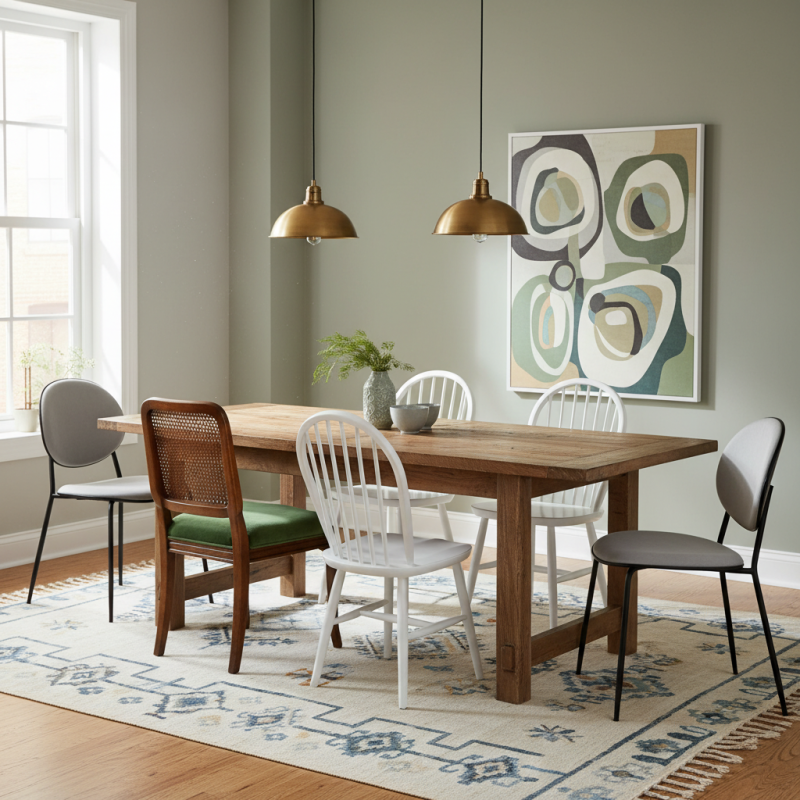
When choosing a dominant chair style, it’s crucial to find a focal point in your dining area. Research shows that a well-selected statement chair can elevate the entire room's design. For instance, over 70% of interior designers recommend featuring one standout design as the primary element. This approach anchors the space and provides a reference for the rest of your seating choice.
Consider a bold color or an intricate pattern for your main chair. A striking piece naturally draws the eye and creates an inviting atmosphere. Meanwhile, you can diversify with complementary styles. Mixing textures, like upholstered and wooden chairs, creates a dynamic look. According to a recent survey by the American Home Furnishings Alliance, consumers prefer a mix of styles for a fresh, personalized environment.
Experimenting is essential. You might find an unexpected combination that works beautifully. For example, pairing a vintage armchair with modern designs might seem offbeat. Yet, it could complement the room's character. Aim for uniqueness, acknowledging that balance and harmony come from thoughtful mismatches. Each choice should contribute to the cohesive feel of your dining space.
Mixing and matching dining room chairs can create a captivating atmosphere. However, balancing colors is crucial for a cohesive look. Consider the color palette of your dining room. Soft, neutral tones can allow for more experimentation with various designs. A bold blue chair next to a warm, muted beige can create an inviting contrast. Ensure the hues complement your overall decor.
When selecting different chair styles, aim for a unified aesthetic through color. Choose shades that resonate with your dining table or surrounding elements. For example, a navy chair might work well if your table has dark accents. Don't just stick to one or two colors. Embrace playful contrasts. However, it’s important to avoid making your space feel chaotic. A balance must exist to prevent overwhelming the senses.
It's also essential to reflect on how these colors interact over time. A bright red chair might grab attention initially but could clash with seasonal decor changes. Consider the longevity of your choices. Will these colors feel fresh next year? These nuances will shape the dining experience. Therefore, allow for some trial and error in your selection process. Testing different pairs can reveal unexpected harmony or discord.
| Chair Style | Color | Material | Height (inches) | Recommended Use |
|---|---|---|---|---|
| Modern Armchair | Navy Blue | Fabric | 36 | Casual Dining |
| Industrial Steel Chair | Matte Black | Metal | 32 | Modern/Loft Style |
| Classic Wooden Chair | Natural Oak | Wood | 34 | Traditional Dining |
| Contemporary Lounge Chair | Emerald Green | Velvet | 30 | Elegant Dinner Parties |
| Rustic Farmhouse Chair | Weathered Gray | Reclaimed Wood | 35 | Cozy/Farm Settings |
When mixing materials for dining room chairs, a unique aesthetic arises. Combining wood, metal, and upholstered elements can create a cohesive yet diverse look. According to a recent industry report, 70% of homeowners prefer eclectic designs in their dining areas. This trend underscores the desire for personalization and individuality.
Wood chairs bring warmth and texture. Pairing them with sleek metal options can elevate the modern feel of the room. Upholstered chairs add comfort and pops of color. Data suggest that rooms with varied materials are 40% more likely to feel inviting. Yet, not every combination works. Some may struggle to find balance. A misstep can lead to a visual clash.
Tips: Choose a common color palette to unify different styles. Consider the height and scale of chairs to maintain visual harmony. Mixing styles can be tricky. An overly chaotic arrangement may feel overwhelming. Take time to test combinations before committing. Balance is key to achieving that sought-after unique look.
Incorporating various patterns into your dining room chair selection can create a distinct and inviting space. Textured fabrics play a vital role in this approach. According to a recent report from the Interior Design Association, 70% of designers emphasize the importance of fabric and texture when curating a cohesive look. By combining chairs made from different materials, you can infuse life into your dining area.
Consider mixing velvet chairs with woven, linen, or even leather options. This contrast not only attracts attention but also creates a unique tactile experience. Using bold prints, such as geometric patterns or floral designs, adds character. A study by the Textile Research Journal indicates that designs can influence mood, with vibrant patterns boosting energy levels. Be mindful, though; too many loud patterns can clash and overwhelm the eye, so balance is key.
Don't shy away from incorporating imperfections. Vintage or distressed pieces often tell a story. However, sourcing these can be challenging. Occasionally, a chosen fabric may not weather well over time. Careful evaluation is necessary when selecting. Embrace this journey of experimentation with patterns and textures. With thoughtful choices, your dining room can transform into a stylish haven that reflects your personality.
Mixing and matching dining room chair styles can create an eclectic feel, but comfort must not be overlooked. Selecting chairs that are visually appealing is essential, yet the practicality of comfort should always come first. Consider the height and depth of each chair. A chair that looks stunning may not support a relaxed dining experience.
Focusing on functional harmony involves testing each chair before making a decision. Sit in various styles and notice how they feel. Ergonomics matter—if a chair feels awkward, it may be distracting during meals. While an eye-catching design can enhance your space, a poor seating choice will diminish your enjoyment.
Striking a balance between aesthetics and comfort is often challenging. A mishmash of styles can clash not only visually but also physically. If mismatched chairs are uncomfortable, they lose their charm. Thoughtful selections can lead to beautiful yet functional outcomes. Aim for a combination that invites guests to linger longer at the table.
: A focal point is essential. It anchors the space and guides other design choices.
Consider a bold color or intricate pattern. A standout chair draws attention and enhances the atmosphere.
Yes, mixing styles is encouraged. It adds personalization but ensure they complement each other.
Comfort should be a top priority. A stunning chair that isn't comfortable can ruin the dining experience.
Sit in various styles, and note how each feels. Ergonomics are crucial for a relaxed dining experience.
Yes, they can create a unique look. However, ensure they don't clash visually or physically.
Choose comfortable chairs that encourage relaxation. A harmonious space keeps guests engaged during meals.
Avoid prioritizing looks over comfort. Mismatched chairs can be attractive but uncomfortable if not chosen wisely.
When considering how to mix and match different chair styles in a dining room, start by choosing a focal point that features a dominant chair style, which sets the tone for the rest of the space. This approach helps create a visual anchor while allowing you to incorporate a variety of additional chair styles that complement or contrast with the chosen design.
Balancing colors is crucial for creating cohesion among different chair hues, enhancing the overall aesthetic. Additionally, mixing materials like wood, metal, and upholstered chairs can add depth and interest to the dining area. Don't forget to incorporate patterns through textured fabrics and designs, which can inject personality into the room. Finally, ensure comfort by selecting chairs that offer both functional seating and aesthetic appeal, thereby achieving harmony in your dining space.
