 Forton Furniture
Forton Furniture
Forton Furniture
When considering bedroom decor, one critical piece often overlooks is the headboard. Many ask, "Why do I need a headboard for my bed?" According to interior design expert Sarah Thompson, "A headboard is not just functional; it adds personality to your bedroom." This statement highlights the dual role a headboard plays in both aesthetics and practicality.
Headboards offer essential support for leaning against while reading or watching TV in bed. They can integrate different styles, from plush designs to sleek wooden finishes, enhancing your room's overall look. A well-chosen headboard creates a focal point, making the space feel more complete and inviting.
Moreover, a headboard can protect your wall from damage, ensuring that your bedroom remains tidy and appealing. Yet, while the benefits are clear, some may still hesitate. A headboard does require maintenance and can take up space in smaller rooms. Reflecting on these aspects helps to clarify its worth in your living environment.
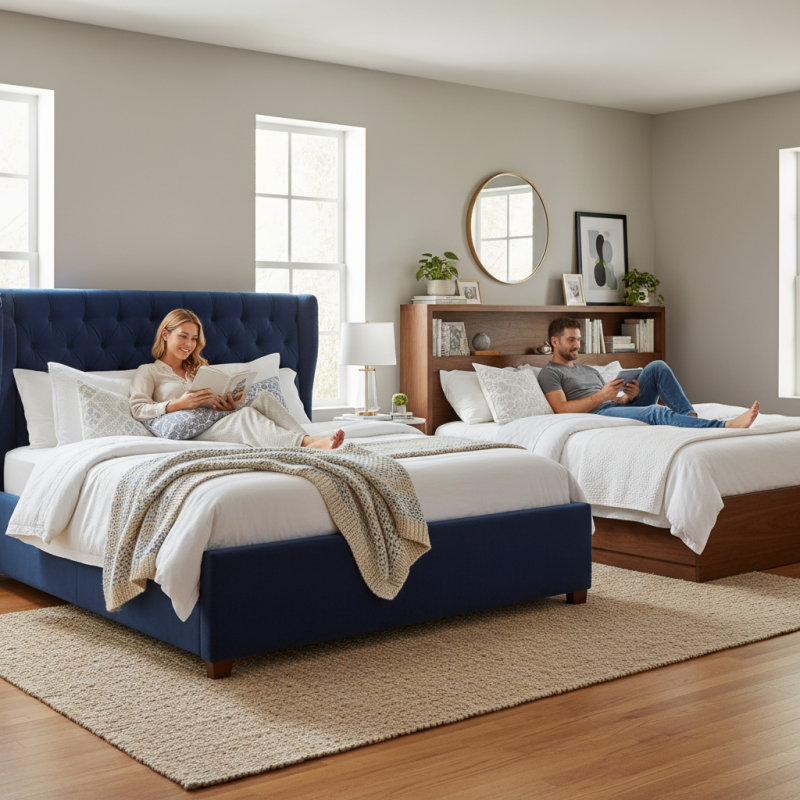
A headboard adds both style and functionality to your bedroom. One significant benefit is its support when sitting up in bed. Whether you read at night or enjoy breakfast in bed, a headboard provides comfort and stability. It creates a cozy nook where you can unwind without straining your back.
Moreover, a headboard can improve the aesthetics of your space. It acts as a focal point, enhancing your furniture arrangement. With various materials and designs available, you can express your personal style. However, choosing the right headboard can sometimes be overwhelming. Many people struggle to find one that fits their room's theme.
Additionally, a headboard can protect your wall. In high traffic areas, the wall behind the bed often shows wear and tear. A headboard can shield it from scuffs and marks. That said, not every headboard fits every bed size. Measure carefully to avoid disappointment. Embracing the functionality and charm of a headboard can transform your bedroom experience.
| Reason | Description |
|---|---|
| 1. Aesthetic Appeal | A headboard adds a decorative touch to your bedroom decor, enhancing the overall look. |
| 2. Back Support | Provides support when sitting up in bed, making it comfortable for reading or watching TV. |
| 3. Warmth | Acts as an insulator against cold walls during winter, adding warmth to your sleeping space. |
| 4. Space Utilization | Can provide shelves or storage options, maximizing the use of space in your bedroom. |
| 5. Protection | Protects your wall from scuffs and marks from the bed frame and pillows. |
| 6. Customization | Available in various styles and materials to reflect your personal taste and complement your bedroom. |
| 7. Better Sleeping Position | Encourages a more ergonomic sleeping posture and can lead to better quality sleep. |
| 8. Sound Dampening | Can help reduce noise, making your environment quieter and more conducive to sleep. |
| 9. Easy Decoration | A headboard can serve as a focal point, making it easier to decorate your bedroom around it. |
| 10. Increased Home Value | A stylish headboard can enhance the overall perceived value of your home. |
: A headboard provides support for sitting up, enhances aesthetics, and protects the wall behind the bed.
It allows you to read or relax in bed without straining your back, making it cozy and supportive.
Yes, a well-maintained bedroom with a headboard reduces wear on walls, leading to a better sleep environment.
Some headboards come with shelves or compartments, helping to organize books and small items in tight spaces.
Common types include upholstered, wooden, and metal headboards, each with unique features and styles.
Consider your room's theme, the headboard’s stability, and whether it meets your practical needs and lifestyle.
Wooden headboards offer a classic look and durability, while metal headboards provide an industrial feel and lightweight options.
Yes, wooden headboards can scratch easily, while metal ones may require regular cleaning to prevent rust.
No, it’s crucial to measure your bed and choose a compatible headboard to avoid fit issues.
When considering the question, "Why do I need a headboard for my bed?", the benefits are manifold. First and foremost, a headboard enhances the aesthetics of your bedroom, providing a focal point that can elevate the overall décor. Beyond appearance, headboards serve functional purposes, such as offering support when sitting up in bed or preventing pillows from slipping off.
There are various types of headboards available, each with unique features that cater to different preferences and needs. When choosing the right headboard for your mattress, consider factors like size, material, and design to ensure it complements your bedroom style while also enhancing your daily comfort. Ultimately, investing in a headboard can significantly improve both the look and functionality of your sleeping space.
