Forton Furniture
Creating a beautifully styled bookshelf can seem daunting. However, it’s a rewarding project that adds flair to your space. In 2026, the key focus is to strike a balance between functionality and aesthetics. Noted interior stylist, Emily Henderson, emphasizes, "A well-organized bookshelf reflects your personality, without overwhelming the viewer."
When exploring how to style a bookshelf without looking cluttered, consider a few key strategies. Start by curating your books and decor. Limit items to what you love or find meaningful. Incorporate a mix of sizes and shapes. This approach brings visual interest while allowing breathing room. Simple changes, like using decorative bookends or varying vertical and horizontal arrangements, can add structure.
Reflect on the way you group items. It’s easy to lose control and create chaos. Sometimes, less is more. Seasonal updates can also inspire fresh looks. Reassessing your bookshelf once in a while keeps it current and engaging. Balancing the clutter is an ongoing process. It’s all about finding that ideal harmony that works for you.
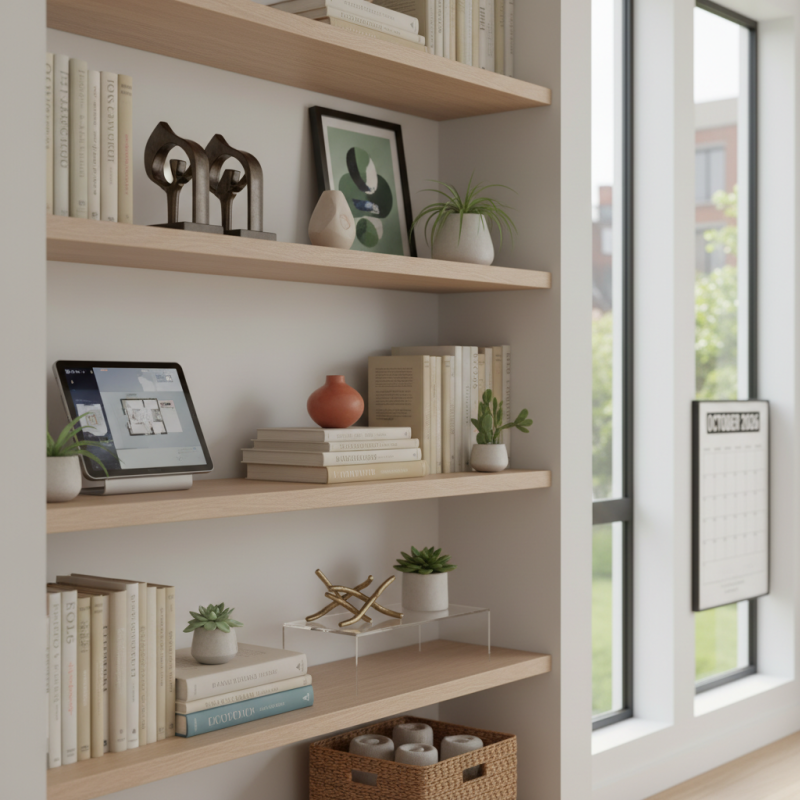
When styling a bookshelf, understanding its style and purpose is crucial for 2026. Research indicates that 78% of people use bookshelves for functionality, while 64% consider aesthetics. This dual role makes clarity in design essential. Begin by identifying whether your bookshelf serves as a storage solution, a decorative piece, or both. Your choice influences how you arrange items.
Consider using a mix of books and decor items. Combine varying heights to create visual interest. For example, stack some books horizontally while keeping others vertical. This adds dimension and breaks monotony. Ensure to leave some space empty. Cluttered shelves can lead to visual overwhelm. Aim for balance by placing items that resonate with your personal style.
Tips: Incorporate personal artifacts like photographs or travel souvenirs. This gives your bookshelf personality. Regularly evaluate what you display. Remove items that no longer inspire you. Width and depth variation also matter. Try blending narrow and wide items together for a cohesive look. This helps your bookshelf feel curated, not chaotic.
Choosing the right color palette for your bookshelf sets the tone for your space. Light, neutral colors can create an airy feel. Darker hues, like navy or forest green, can add depth. Mixing these hues creates visual interest. Consider your room’s overall color scheme to ensure harmony.
Materials play a vital role in styling a bookshelf. Wood introduces warmth and texture. Metal accents offer a modern touch. Glass shelves can create a sleek look while keeping your books visible. Mixing materials can prevent a monotonous appearance. Use natural elements like plants to bring in life and freshness.
Tips for styling effectively:
- Select a limited color palette. Stick to three or four colors to avoid chaos.
- Use bookends to add structure and enhance functionality.
- Leave breathing room between items. It prevents clutter and allows each piece to shine.
Reflect on your choices. Are your selected colors working for you? Is the arrangement serving both aesthetics and practicality? Adjusting elements allows for a dynamic display that evolves with your style.
| Color Palette | Materials | Recommended Items | Tips for Styling |
|---|---|---|---|
| Neutral Tones | Wood, Fabric | Books in neutral covers, Decorative boxes | Use varying heights for books and decor |
| Pastel Shades | Metal, Glass | Small plants, Picture frames | Mix textures for visual interest |
| Earthy Tones | Stone, Ceramic | Natural fiber baskets, Sculptures | Group items in odd numbers |
| Bold Colors | Plastic, Acrylic | Statement books, Colorful art pieces | Keep some shelves minimalistic to balance |
Styling a bookshelf can feel daunting, especially if you want it to look organized and visually appealing. Choosing a consistent theme is one effective strategy. You might select colors or textures that tie the books together. For example, soft pastels create a serene look, while bold colors provide energy.
Grouping books by size or genre can also aid in achieving visual balance. Place larger volumes at the bottom and smaller ones on top. This creates movement and guides the eye across the shelf. Use decorative boxes or baskets to hold smaller items, which can help reduce clutter. Remember, a few empty spaces can enhance the overall design.
Adding personal items, like photos or small plants, brings character to the shelf. However, be cautious not to overcrowd. Each piece should enhance the theme without overwhelming it. Reflect on your choices and make adjustments regularly. A bookshelf should feel curated but not forced. Finding that sweet spot takes time, so revisit your design often.
Styling a bookshelf can be a delicate balance. Adding decorative items enhances your space, but overcrowding can create a chaotic look. Aim for a mix of books and decor that reflects your personality. One successful method is to create visual groups. For example, place three decorative items together, adjusting their heights for interest. This arrangement draws the eye without overwhelming the shelf.
Consider using colors and textures to tie everything together. A few natural elements, like plants or stones, can add warmth. Be mindful of how the items interact. Too many bright colors can clash. Aim for a cohesive palette that complements your books. Remember that not every shelf needs to be fully packed. Leaving some empty space creates breathing room and highlights your favorite pieces.
Reflect on your choices regularly. If a shelf feels cluttered, remove one or two items. Sometimes less is more. Observe how different configurations affect the overall look. Experimenting can lead to new insights. Your bookshelf should be a joy to look at, not a source of stress.
When styling a bookshelf, lighting plays a crucial role. Choosing the right type of light can make your collection pop. Use warm LED lights to create a cozy atmosphere. Spotlights can highlight specific books or objects. This accentuates your favorite pieces and draws attention where it's needed.
Consider the placement of your bookshelf, too. Natural light can enhance the colors of your books. However, be aware of potential sun damage. Use curtains or shades to control exposure. Experiment with different lighting angles to see what works best. Remember, the objective is balance, not chaos.
Sometimes, less is more. Oversized decor can overshadow your books. A cluttered look can detract from your carefully selected pieces. It’s worth revisiting your setup occasionally. Reflect on your choices. Ensure every item on display serves a purpose or tells a story. Fine-tuning your bookshelf lighting is an ongoing process.
: Opt for three or four colors. Light colors create an airy feel, while dark hues add depth.
Wood brings warmth, metal adds a modern touch, and glass shelves offer sleek visibility for books.
Leave breathing room between items. Use bookends for structure and organization.
Warm LED lights create a cozy atmosphere. Spotlights can highlight specific books or objects effectively.
Natural light enhances colors but can cause sun damage. Use curtains to control exposure effectively.
Yes, it’s helpful to reflect and adjust elements. Ensure each piece serves a purpose or tells a story.
Experiment with different lighting angles and placements. Aim for balance, avoiding a chaotic look.
Yes, oversized items can overshadow books. Keep decor minimal to let your collection shine.
Reflect on your selections. Don’t hesitate to adjust colors to better fit your space.
Mixing materials prevents monotony and adds visual interest. Use various elements to enhance your design.
In "How to Style a Bookshelf Without Looking Cluttered in 2026," the article emphasizes the importance of identifying your bookshelf's style and purpose to create a visually appealing space. It advises selecting a cohesive color palette and materials that reflect your taste while ensuring a harmonious look. Organizing your books strategically is key to achieving visual balance; this can include arranging them by size, color, or genre to foster an organized aesthetic.
Moreover, the article suggests incorporating decorative items judiciously to enhance the bookshelf's appeal without overcrowding it. Utilizing lighting effectively can further elevate the overall aesthetic and functionality of your bookshelf, making it a stunning focal point in your space. By following these guidelines, anyone can learn how to style a bookshelf without looking cluttered, ensuring a beautiful and practical display that showcases both literature and personal style.
