Forton Furniture Forton Furniture

China Top 10 Best Outdoor Furniture Materials for Longevity?

Time:2026-09-14 Author:Liam
0%

Choosing durable outdoor furniture starts with a practical question: What are the best materials for outdoor furniture longevity? In China’s diverse manufacturing market, the answer depends on climate, construction quality, maintenance, and intended use. Teak resists moisture through natural oils, while powder-coated aluminum stays lightweight and highly resistant to rust. High-density polyethylene lumber offers impressive UV and water resistance. Stainless steel performs well near the coast, especially with proper alloy selection.

No material is perfect.

Richard Frinier, an award-winning outdoor furniture designer, has said, “Outdoor spaces should be designed with the same care and attention as indoor spaces.” That principle matters when comparing China’s top 10 outdoor furniture materials. A beautiful surface means little if water remains trapped inside the frame. Likewise, premium teak can still crack when neglected, and coated steel can corrode after scratches expose the underlying metal.

This guide examines teak, aluminum, stainless steel, powder-coated steel, HDPE, synthetic rattan, eucalyptus, acacia, concrete, and natural stone. Each material will be assessed through weather resistance, structural strength, UV stability, maintenance demands, and long-term value. Details matter. Look for welded joints, sealed grain, drainage holes, marine-grade hardware, and tested coatings. Factory certifications and documented performance testing also improve reliability.

Some recommendations may challenge common assumptions. The most expensive option is not always the longest-lasting. Local weather often decides more than price. In humid southern cities, drainage may matter more than appearance. In coastal areas, salt resistance becomes essential. Durable furniture is not simply bought. It is specified, inspected, and maintained.
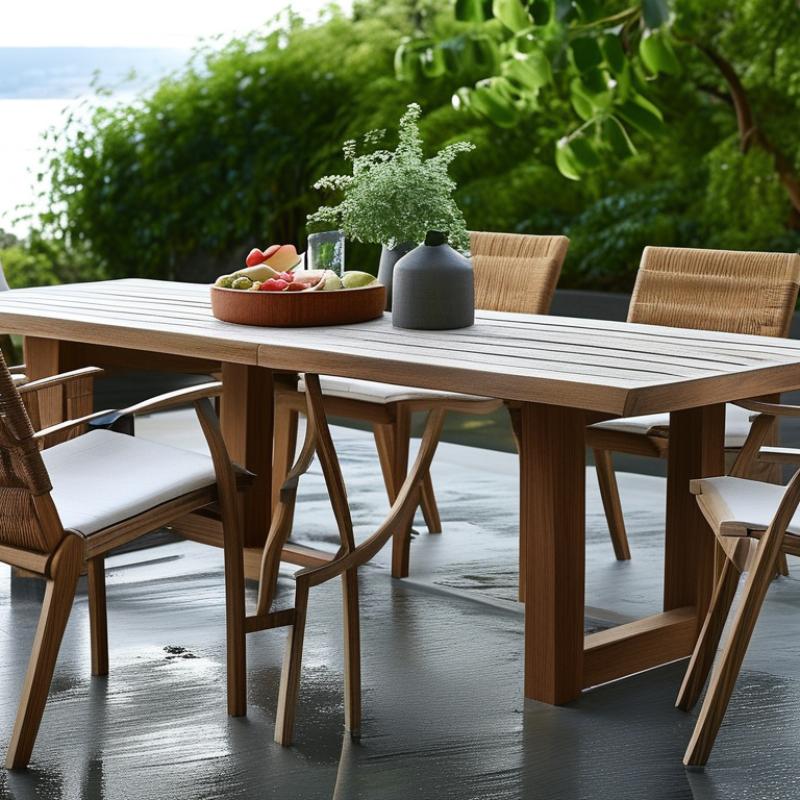
China Top 10 Best Outdoor Furniture Materials for Longevity?

What Makes an Outdoor Furniture Material Long-Lasting?

A long-lasting outdoor furniture material must survive more than one rainy season. It faces ultraviolet light, standing water, salt air, temperature swings, and daily abrasion. In practical site checks, I examine how surfaces respond after repeated wet-dry cycles. Good materials limit swelling, cracking, fading, and hidden corrosion around fasteners. Moisture management matters.

China’s outdoor conditions vary widely, from humid southern balconies to dry, freezing northern courtyards. Teak, aluminum, stainless steel, treated hardwood, HDPE, resin wicker, stone, concrete, fiberglass, and coated steel each respond differently. However, material names alone prove little. A dense wood can fail when water remains inside an unsealed joint. A strong metal can rust where its coating is scratched. Construction quality often decides the result.

Durability also depends on design and care. Sloped seats release rain, raised feet reduce ground moisture, and breathable cushions dry faster. I look for rounded edges, sealed end grain, drainage gaps, and corrosion-resistant hardware. These small details often matter more than impressive specifications. A dark finish may become hot enough to damage cushions or make seating uncomfortable. Coastal homes need extra attention because salt deposits attack exposed fittings. Even stone can stain, crack, or hold moisture through winter. Maintenance is part of the material choice. No material is maintenance-free. That claim deserves skepticism. I once underestimated a shaded corner, where trapped moisture caused faster decay than direct sunlight.

Key Factors for Comparing Outdoor Furniture Durability

China’s top ten outdoor furniture materials differ sharply in real-world durability. Compare them by climate, not appearance alone. Powder-coated aluminum resists rust and remains light, while stainless steel handles heavy use but may show surface staining near saltwater. Teak tolerates rain well because its natural oils reduce moisture absorption. Acacia costs less, yet it needs more frequent sealing. Recycled plastic avoids rot, although intense sunlight can cause fading or brittleness over time.

Examine the complete structure, not only the material label. Thick walls, sealed joints, drainage holes, and corrosion-resistant fasteners often matter more than a fashionable surface. Outdoor furniture faces repeated wet-dry cycles, strong ultraviolet exposure, wind, and temperature changes. A material may perform well in a showroom but fail beside a humid balcony. I have seen loose screws and trapped water damage otherwise strong frames. That experience is easy to overlook. It should not be.

Tips: Test weight, joint movement, coating thickness, and water drainage before purchasing. Ask for maintenance instructions and verified weather-resistance data. Check whether replacement hardware is available. Stone and ceramic tops resist sunlight, but they can crack after impact or freezing conditions. Resin wicker looks practical, yet its internal frame determines longevity. Review care requirements honestly. A low-maintenance material may still need shade, cleaning, and seasonal inspection. There is no perfect choice. The best comparison matches material strength with local weather, usage frequency, and realistic maintenance habits.

China Top 10 Best Outdoor Furniture Materials for Longevity

Indicative median outdoor service life in years, assuming suitable construction, normal residential use, and regular maintenance.

Marine-grade stainless steel, teak, powder-coated aluminum, and HDPE are among the most durable choices because they resist corrosion, moisture, ultraviolet exposure, and structural deterioration. Actual longevity varies with climate, coating quality, drainage, assembly, cleaning, and seasonal storage.

China’s Top 10 Outdoor Furniture Materials for Longevity

China’s Top 10 Outdoor Furniture Materials for Longevity

China’s outdoor furniture makers commonly select materials for humidity, sunlight, and changing temperatures. Teak offers natural oils that resist moisture, while acacia and eucalyptus provide sturdy, more economical alternatives. Aluminum stays lightweight and resists rust, especially when its protective coating remains intact. Stainless steel handles heavy use, but salty coastal air still demands regular cleaning. Powder-coated steel offers strength and color flexibility, although scratches can expose the metal beneath.

High-density polyethylene resists rain, insects, and frequent washing. Polypropylene is lighter and suits stackable chairs, but low-grade versions may become brittle under intense sunlight. Synthetic rattan creates a woven appearance without using natural vines. Its lifespan depends heavily on UV-stable resin and a strong internal frame. Concrete delivers excellent stability for tables and bases, yet its weight complicates transport and installation. Ceramic surfaces can resist stains and heat, but sharp impacts may cause cracking.

Details matter more than material names. In factory inspections, drainage holes, sealed joints, weld quality, and stainless fasteners often predict service life. A beautiful frame can fail around trapped water. That is easy to miss. Teak may weather unevenly, and powder coating is not permanent. Buyers should request outdoor exposure data, coating thickness, and moisture testing before large orders. Some manufacturers improve durability through replaceable covers, breathable cushions, and raised feet. The honest answer is uncomfortable: no material performs perfectly in every Chinese climate. Coastal cities, northern winters, and humid southern regions require different specifications.

Climate, Maintenance, and Cost of Each Material

China Top 10 Best Outdoor Furniture Materials for Longevity?

China’s climate changes sharply by region. The China Meteorological Administration’s China Climate Change Blue Book 2024 reports rising temperatures and stronger climate variability. Coastal furniture also faces salt, humidity, and intense sunlight.

For humid southern areas, teak, eucalyptus, and acacia offer durable wood performance. Teak needs oil only for color, not survival. Eucalyptus costs less, but requires sealing and careful drainage. Acacia is affordable, though its joints may split without regular protection. Cedar is light and naturally resistant, but softer. The USDA Forest Products Laboratory’s Wood Handbook links wood durability with moisture control, not species alone. This detail is often ignored.

Aluminum is lightweight, rust-resistant, and practical for balconies. Stainless steel performs better near saltwater, but costs more. Powder-coated steel is strong and economical, yet damaged coatings can expose rust quickly. HDPE lumber resists moisture and insects, with low maintenance, although heat expansion can affect alignment. PVC is inexpensive and easy to clean, but may become brittle under prolonged ultraviolet exposure. Resin wicker looks comfortable, but its frame matters more than its woven surface. ASTM G154 ultraviolet testing helps compare coatings, not complete furniture life. Real outdoor results remain imperfect. Cleaning, ventilation, covers, and drainage often decide long-term cost. In field installations, a cheap frame can become expensive after two wet seasons.

Best Uses for Different Long-Lasting Outdoor Furniture Materials

Choosing outdoor furniture material should begin with its location, not its appearance. In outdoor installations, I have seen beautiful furniture fail because the material did not suit the climate. Aluminum works well for balconies, rooftops, and seaside terraces. It is light, rust-resistant, and easy to move during storms. Powder-coated steel suits shaded patios and commercial courtyards. However, damaged coating can expose the metal to corrosion.

Teak is useful for pool decks, gardens, and uncovered dining areas. Its natural oils help resist moisture, although regular cleaning preserves its color. Acacia offers a warmer look at a lower cost. It needs more careful sealing, especially during long rainy seasons. Stainless steel performs best around outdoor kitchens and coastal dining spaces. Salt still leaves marks. Occasional washing matters.

Synthetic wicker creates a relaxed look for covered lounges and sunrooms. It needs a strong frame and protection from prolonged ultraviolet exposure. High-density polyethylene suits family patios, playground seating, and rental properties. It handles moisture well and requires little maintenance. Recycled plastic is practical for parks and public terraces, but darker colors may become hot under direct sunlight. Stone and concrete tables fit windy courtyards because their weight improves stability. They can feel harsh without cushions or wooden details. No material is maintenance-free. I once underestimated drainage beneath a heavy table, and trapped water stained the paving. Material choice must consider airflow, cleaning access, sunlight, salt, and daily use.

China Top 10 Best Outdoor Furniture Materials for Longevity? - Best Uses for Different Long-Lasting Outdoor Furniture Materials

Rank Material Typical Service Life Weather & UV Resistance Maintenance Level Best Outdoor Uses Main Advantages Important Considerations
1 Marine-Grade Stainless Steel 15–30+ years ★★★★★
Excellent when the correct corrosion-resistant grade is selected
Low Coastal patios, restaurant terraces, poolside furniture, modern outdoor dining sets Very strong, non-combustible, corrosion resistant, and suitable for heavy-use environments Salt, chlorine, and surface contaminants should be rinsed away periodically; can become hot in direct sun
2 Powder-Coated Aluminum 10–20+ years ★★★★★
Excellent resistance to rust and normal outdoor exposure
Low Balconies, rooftops, pool areas, lightweight dining furniture, commercial outdoor seating Lightweight, rust-free, easy to move, and available in many colors and forms Can dent more easily than steel; damaged coating should be repaired to protect the underlying metal
3 Teak Wood 15–30+ years ★★★★★
Excellent natural resistance to moisture and insects
Low to Medium Premium patio sets, poolside loungers, garden benches, outdoor dining tables Dense, stable, naturally oil-rich, and highly resistant to outdoor deterioration Unfinished teak develops a silver-gray patina; cleaning and occasional protective treatment help maintain its original color
4 High-Density Polyethylene (HDPE) 10–20+ years ★★★★★
Very good UV and moisture resistance when UV stabilizers are included
Very Low All-weather dining chairs, benches, resort furniture, humid and coastal locations Does not rust, rot, splinter, or absorb significant moisture; easy to clean and maintain Heavy designs may be preferable in windy locations; low-quality material may fade or become brittle
5 Marine-Grade Polymer 10–20+ years ★★★★★
Designed for prolonged exposure to moisture, salt, and sunlight
Very Low Yacht decks, beachfront seating, pool furniture, marina and hospitality applications Highly resistant to water, salt spray, mildew, and corrosion; generally requires only routine cleaning May have a higher purchase cost and can expand slightly with temperature changes
6 Powder-Coated Galvanized Steel 10–20 years ★★★★☆
Strong resistance when galvanizing and coating remain intact
Low to Medium Public seating, commercial courtyards, fixed dining tables, windy outdoor areas Strong, stable, impact resistant, and heavier than aluminum for better wind resistance Scratches and cut edges can expose steel to corrosion; inspect and touch up damaged areas promptly
7 Synthetic Wicker with Aluminum Frame 8–15 years ★★★★☆
Good performance when the weave contains UV stabilizers
Low to Medium Covered patios, resort lounges, balconies, conservatories, and casual seating areas Lightweight, comfortable, decorative, and available in many woven styles Choose solution-dyed resin fibers; keep cushions dry and inspect the weave for UV or mechanical damage
8 Iroko Hardwood 10–20 years ★★★★☆
Good natural durability with proper construction and maintenance
Medium Garden benches, dining tables, pergolas, shaded terraces, and substantial outdoor seating Hard, attractive, and naturally more durable than many common softwoods Requires sealing or periodic finishing for maximum service life and color retention; moisture movement must be allowed for
9 Acacia Hardwood 5–15 years ★★★☆☆
Moderate to good performance with regular care
Medium to High Covered patios, seasonal dining sets, garden benches, and budget-conscious outdoor projects Good strength-to-cost ratio, attractive grain, and broad availability Needs regular sealing and protection from prolonged standing water, intense sun, and rapid moisture changes
10 Recycled Plastic Lumber 10–20+ years ★★★★☆
Very good resistance to moisture, insects, and rot
Low Park benches, boardwalk seating, coastal landscaping, public spaces, and family patios Rot-proof, splinter-resistant, easy to clean, and suitable for wet environments Heavier than some plastics, may expand and contract with temperature, and can become warm in direct sunlight

Service-life estimates are typical ranges for properly manufactured furniture used outdoors with suitable drainage, fasteners, and routine care. Climate, salt exposure, sunlight, construction quality, and maintenance can significantly affect actual longevity.

FAQS

What makes outdoor furniture material last through changing weather?

It should resist ultraviolet light, rain, salt air, freezing temperatures, and daily abrasion. Good drainage reduces swelling, cracking, fading, and hidden corrosion. Construction matters as much as the material. This is easy to miss.

Which materials suit humid balconies and rainy courtyards?

Aluminum, teak, high-density polyethylene, and well-sealed treated hardwood can perform well. Raised feet and drainage gaps keep furniture away from standing water. Acacia needs more frequent sealing. I would not trust an unsealed joint.

Is aluminum suitable for rooftops and seaside terraces?

Yes, aluminum is light, rust-resistant, and easy to move before storms. Its coating still needs inspection after scratches or impacts. Water can collect around fasteners. Lightweight is not indestructible.

How does coastal air affect outdoor furniture?

Salt deposits can stain stainless steel and attack exposed fittings. Rinse surfaces occasionally, especially near outdoor kitchens and dining spaces. Check screws, joints, and damaged coatings. Salt is patient.

Is wood a durable outdoor choice?

Teak handles rain well because its natural oils limit moisture absorption. Acacia costs less but usually needs more sealing. Both benefit from cleaning and airflow. I once underestimated shaded moisture.

Does synthetic wicker last outdoors?

It can last in covered lounges when its internal frame is strong and corrosion-resistant. Prolonged ultraviolet exposure may weaken the outer strands. Inspect the frame, not only the woven surface. The surface can mislead you.

What should buyers inspect before purchasing outdoor furniture?

Test weight, joint movement, coating thickness, and water drainage. Look for sealed end grain, rounded edges, and replaceable hardware. Ask for care instructions and verified weather-resistance data. Showroom appearance proves little.

Which materials work for windy courtyards and public terraces?

Stone and concrete tables provide stability because their weight resists movement. They can crack after impacts or freezing conditions. Recycled plastic handles moisture and needs little care, but dark colors become hot. There is no perfect choice.

Conclusion

Choosing the right outdoor furniture material is essential for long-term performance, especially in China’s varied climates. This article explores what makes a material long-lasting, including resistance to moisture, sunlight, temperature changes, corrosion, insects, and everyday wear. It also compares durability, maintenance requirements, appearance, weight, environmental conditions, and overall cost to help readers make a practical decision. The key question is: What are the best materials for outdoor furniture longevity?

China’s top ten durable options include materials such as teak, aluminum, stainless steel, powder-coated metal, HDPE, synthetic wicker, plastic lumber, stone, concrete, and treated hardwood. Each material offers different advantages depending on its intended use and surrounding climate. Some perform best in humid coastal areas, while others are more suitable for balconies, gardens, patios, restaurants, or public spaces. By understanding maintenance needs, weather resistance, expected lifespan, and budget considerations, buyers can select outdoor furniture materials that provide reliable comfort, attractive design, and lasting value.

Liam

Liam

Liam is a dedicated marketing professional with a profound expertise in the industry, where he excels at highlighting the unique advantages of our core products. With a keen understanding of market trends and consumer needs, Liam frequently updates our company’s professional blog, providing......